Support for the legalization and decriminalization of weed

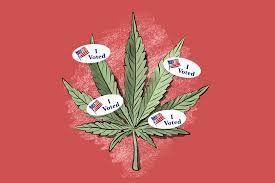
Support for the legalization and decriminalization of weed has been a highly debated topic for several decades. Historically, the criminalization of cannabis can be traced back to the early 20th century, when prohibition laws were instituted in many countries. However, recent years have seen a significant shift in public opinion, with a growing number of individuals and organizations advocating for the legalization and decriminalization of weed.
The criminalization of cannabis can largely be attributed to various moral, racial, and political factors. In the early 20th century, ideals of temperance and prohibition gained popularity, leading to the passage of legislation that criminalized the use, possession, and sale of cannabis. At the time, cannabis was associated with racial and ethnic minorities, particularly Mexican immigrants and African Americans, which fueled racist narratives and further contributed to its stigmatization.
Despite these historical challenges, there have been influential individuals who have fought against marijuana criminalization. One notable figure is Harry J. Anslinger, who served as the first commissioner of the U.S. Federal Bureau of Narcotics from 1930 to 1962. Anslinger played a pivotal role in promoting anti-marijuana propaganda through the media, perpetuating myths and exaggerations about the drug's dangers. His efforts significantly contributed to the criminalization of cannabis and the formation of a negative public perception.
In contrast, other figures sought to challenge the prevailing views on cannabis. Dr. Lester Grinspoon, an influential Harvard psychiatrist, was one of the early advocates for the medical benefits of cannabis. His research and writings, including the seminal book "Marihuana Reconsidered" published in 1971, debunked many of the misconceptions surrounding cannabis and argued for its medical potential.
Support for the legalization and decriminalization of weed has had a profound impact on society. Advocates argue that legalization can lead to several positive outcomes. One of the most significant benefits is the potential to generate tax revenue and create a regulated industry, which can stimulate economic growth. Colorado and Washington, two of the first U.S. states to legalize recreational marijuana, have experienced substantial economic gains, with billions of dollars generated in tax revenue and job creation.
Furthermore, proponents argue that legalization and decriminalization can help redirect law enforcement resources towards more pressing issues, such as violent crimes. By reducing the burden on the criminal justice system, advocates believe that society can achieve greater efficiency and fairness. Additionally, those in favor of legalization argue that it can help combat the black market, as regulated sales offer consumers safer and tested products, while also reducing the power of drug cartels.
Several influential individuals have played significant roles in advancing the cause of legalization and decriminalization. One such figure is Ethan Nadelmann, the founder of the Drug Policy Alliance (DPA), an organization dedicated to reforming drug policies. Nadelmann's work has focused on promoting evidence-based harm reduction strategies, challenging ineffective punitive approaches, and advocating for policies that prioritize public health and individual liberties.
Another influential individual is Dr. Sanjay Gupta, a renowned neurosurgeon and medical correspondent for CNN. In 2013, Gupta made a public reversal on his stance on marijuana, publishing an op-ed titled "Why I Changed My Mind on Weed." His change of heart helped shift public opinion and played a crucial role in destigmatizing the medical use of marijuana.
The debate surrounding the legalization and decriminalization of weed encompasses a myriad of perspectives. Opponents argue that marijuana remains a dangerous substance with potential health risks, particularly for young and developing brains. They also express concerns about the potential for increased addiction rates and impaired driving. Additionally, opponents worry that legalization may normalize and increase access to marijuana, leading to a potential rise in overall usage rates.
However, proponents counter these arguments by highlighting the potential benefits, such as improved access to medicinal marijuana for patients with debilitating conditions. They also emphasize the social justice aspect, arguing that marijuana criminalization disproportionately affects marginalized communities and contributes to systemic racism through disproportionate arrests and convictions. By legalizing and decriminalizing weed, advocates contend that these disparities can be addressed, leading to more equitable outcomes.
Looking towards the future, it is likely that the support for legalization and decriminalization will continue to grow. This is evident in the increasing number of U.S. states and countries that have taken steps towards legalization. Moreover, as more research is conducted on cannabis and its potential medical benefits, public opinion is likely to shift further in favor of its legalization.
In conclusion, the support for the legalization and decriminalization of weed has been a topic of much debate and analysis. Understanding the historical context, key figures, and impact of this movement is crucial in comprehensively examining this issue. While opponents raise concerns about potential risks and negative consequences, proponents argue that legalization can lead to economic growth, public health benefits, and social justice. With influential individuals and organizations driving the movement, and changing societal attitudes, the future of the legalization and decriminalization of weed appears to be moving towards acceptance and reform.


Comments