Support for Removing US Troops from Around the World

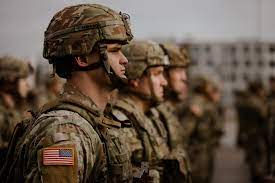
The deployment of US troops around the world has been a subject of debate and controversy for many years. While some argue that the presence of US forces ensures global stability and protects American interests, others contend that it undermines national sovereignty, fuels conflicts, and generates unnecessary costs.
The historical context of supporting the removal of US troops from around the world can be traced back to the origins of American foreign policy. The Founding Fathers, such as George Washington, warned against entangling alliances and emphasized the importance of non-intervention. However, the emergence of the United States as a global power following World War II altered these isolationist tendencies. As the Soviet Union expanded its influence during the Cold War, the US assumed the role of a global superpower, firmly positioning its troops in various regions worldwide.
One key figure who contributed to the discourse on reducing US troops abroad was President Dwight D. Eisenhower. In his farewell address in 1961, he cautioned about the dangers of the military-industrial complex, urging Americans to avoid excessive defense spending and unwarranted foreign interventions. This warning laid the groundwork for future debates on the topic.
The impact of supporting the removal of US troops from around the world is multifaceted and deserves careful consideration. On one hand, it can potentially restore national sovereignty for countries in which US troops are stationed, empowering them to assume greater control over their own security affairs. Additionally, the withdrawal of troops may reduce the levels of resentment and anti-American sentiment in some regions, which could promote stability and peace.
However, there are also potential negative consequences to consider. The removal of US troops may create a power vacuum that can be exploited by hostile actors or extremist groups. This could lead to further destabilization, regional conflicts, and an increase in terrorism. Moreover, the absence of American forces in certain regions might diminish the United States' ability to project influence and protect its interests, potentially eroding its global standing.
Numerous influential individuals have contributed to the field of supporting the removal of US troops from around the world. One prominent figure is Congressman Ron Paul, who has consistently advocated for a non-interventionist foreign policy and the withdrawal of US troops from various regions, including Iraq and Afghanistan. His supporters argue that reducing America's military footprint would save lives, resources, and uphold the principles of non-aggression.
On the other hand, individuals like Senator John McCain believed that maintaining a robust US military presence around the world helps ensure global stability and protect American interests. They argue that a reduced presence would allow for the rise of rival powers and endanger the security of allies. These perspectives emphasize the necessity of maintaining a strong military that can swiftly respond to emerging threats and conflicts.
Support for removing US troops from around the world is a complex issue with far-reaching implications. While a reduction in the US military presence can lead to greater sovereignty for nations and a reduction in tensions, it may also create power vacuums and expose regions to instability. Understanding the historical context, key figures, and considering various perspectives is crucial in formulating a well-reasoned analysis. Moving forward, policymakers must carefully weigh the positive and negative aspects while considering potential future developments to make informed decisions regarding the presence and contribution of US troops on the global stage.


Comments